

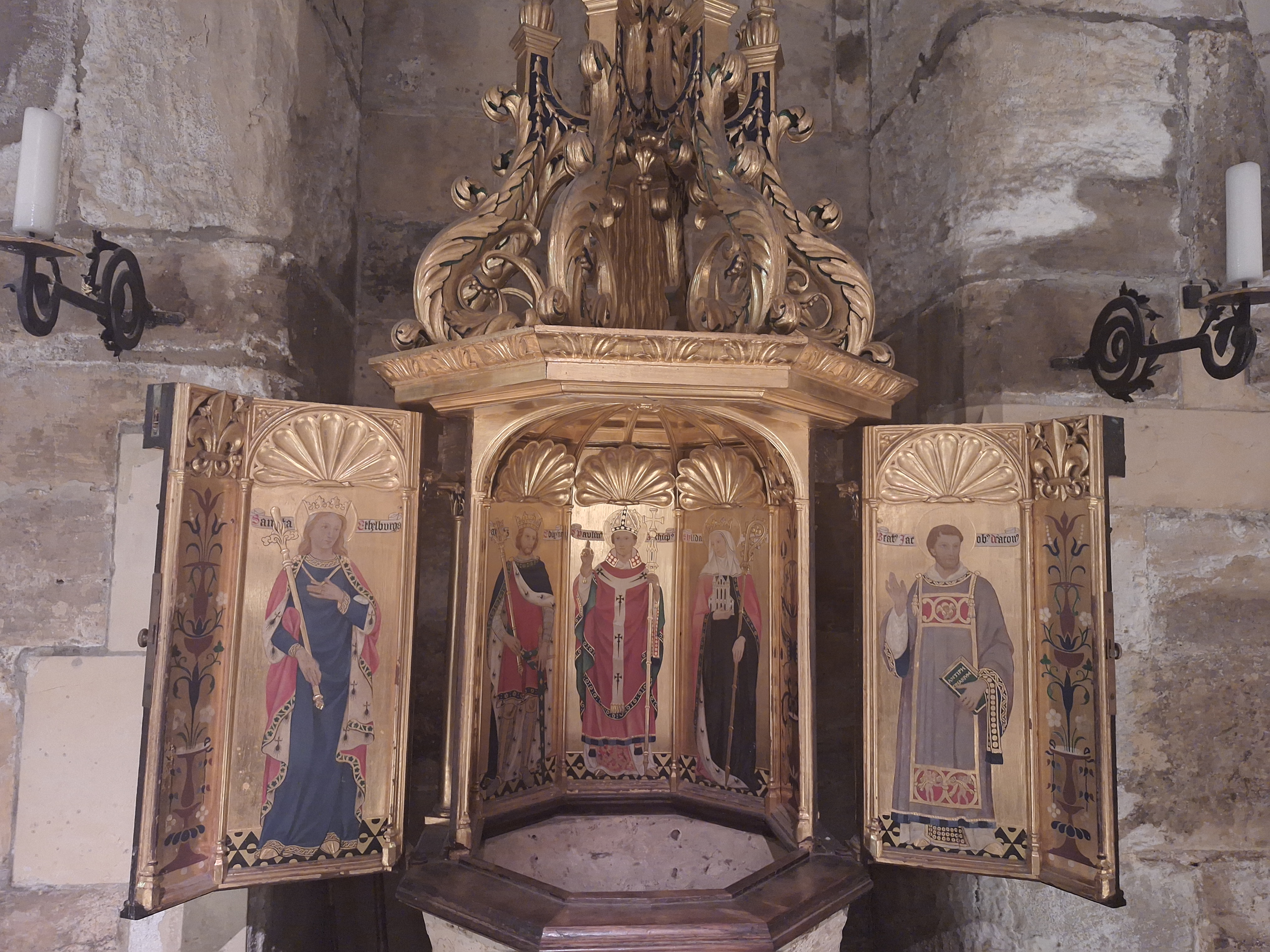
My readers will know that I love Ignatian Prayer and have heard God speak to me clearly through the practice. It’s a form of meditative prayer that requires fully imagining yourself in a bible story, noticing the smells, sounds and textures of life centuries ago. When events occur in my imagination, I get to have a conversation with God about what’s happening and why. Depending on His reply, I may feel comforted, challenged or further confused. In which case, I continue talking with Him and allowing the Holy Spirit to direct me until I have some answers. It’s a profoundly beautiful experience.
I began using Ignatian prayer when I first came across John Goldingay’s ‘B 24 An Ignatian Approach to Reading the Old Testament’ over a decade ago. This inexpensive pamphlet contains 30 weeks of readings and goes through some of the most well-known (e.g. Noah and the Ark) and gnarliest (e.g. killing of the firstborn sons in Egypt) passages in the Old Testament. Goldingay also provides a comprehensive description of the prayer method as St Ignatius described it, including the meaning of desolations and consolations.
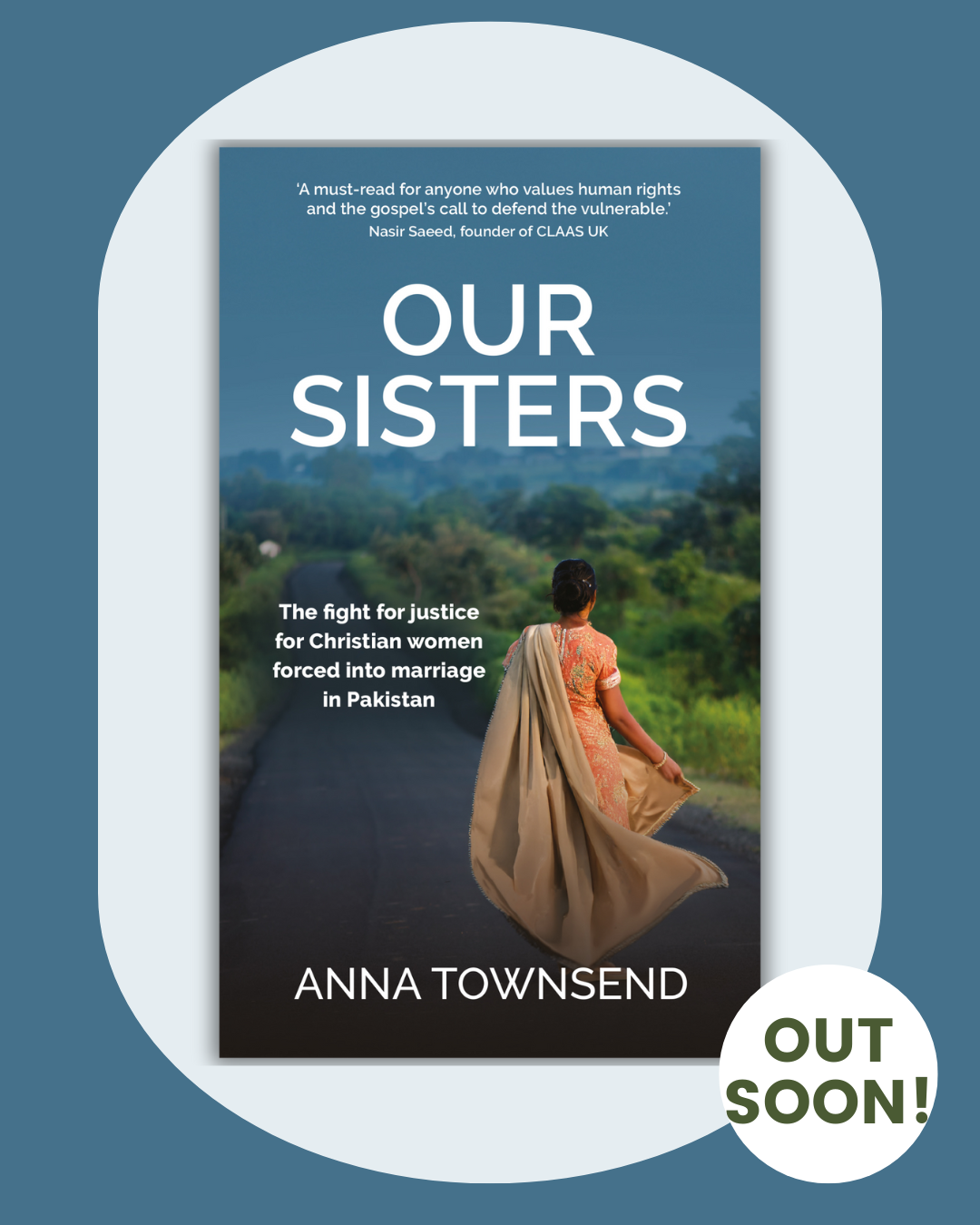
I was in touch with John Goldingay (now in his 80s) a year ago because I had an overwhelming experience, maybe it could be described as a miracle, while writing my next book (Our Sisters, due to be released in October 2025 and now available for pre-order). I hadn’t used his writing guide in a couple of years, and I decided to revisit it. It was Pentecost week, and I discovered that the front of the book contained a series of recommended readings to mark the outpouring of the Holy Spirit all those years ago. Strangely, the first reading was an especially gruesome story about King Saul slaying an enemy Army that had threatened to mutilate all the Israelites in a single town. It wasn’t the easiest passage to understand and provoked a ton of questions in me. I spent two days wrestling with God over the troubling events that occurred.
On the second day, I went from my morning Bible study spot straight to my computer and began catching up on the latest rescue story that had been sent to me for my research. One of my sources had been involved in freeing a young woman from a brick kiln in Pakistan; he had gone in with bodyguards because there was a high risk of violence. The girl had even been mutilated by her captor, and so immediately I saw the parallels between her story and that in my bible reading. All the questions that had been provoked in my bible passage were the same ones I now had for God about the situation in Pakistan. By wrestling with them in my quiet time, I was prepared for the rescue story and could see the events as a continuation of God’s promises to pour out his Spirit and release prisoners. The timing was incredible and left me shaking. I reached out to John Goldingay to ask why, of all the stories in the Old Testament, he chose that one for Pentecost. He responded to say that he couldn’t really remember, as he wrote the guide a decade or so ago, but that the Spirit that rested on Saul is the same Spirit that continues to work now.
I can’t promise that you’ll have the same experience as I did with Ignatian prayer, but the method opens up a means for God to speak to you. If you’re interested in Ignatian Prayer, then consider starting with Goldingay’s book. However, if 30 weeks of the Old Testament is too much in one go, then a great guide to New Testament readings can be found in Jerry Windley-Daoust’s ‘Imagine you walked with Jesus’. This book contains 40 readings, so use it sparingly. The introduction provides a wealth of detail about first-century Palestinian life, including notes on architecture, food, and clothing. There are also reflection questions, which I found incredibly useful.
It has been a little while since I last sent out a newsletter, and a lot has happened. I moved to England, and it is not long until the release of Our Sisters, which has been pushed back to October. Excitingly, you can now pre-order copies directly from me, although I’m afraid I won’t be able to beat Amazon’s prices. However, if you buy from me, then I will put a proportion of the income generated towards all the vital ministries in Pakistan that I wrote about. Click here to pre-order from my online shop.
I’m planning both an in-person and an online book launch; I hope you can make one or even both. Given that you’ve been with me on this journey, you’ll be the first to know the dates and times.
Keep on seeking God and praying for Our Sisters,
Anna
If you know someone who would appreciate this newsletter, please forward it to them. Christian authors lack large marketing budgets and rely on word of mouth. Consequently, if you have received this newsletter from someone else, you can sign up for future emails below.
If you’ve enjoyed what you’ve read, please like, comment on, or share my articles. I’d be immensely grateful if you could follow me; just enter your email address here. I promise not to bombard you with messages, and you can unsubscribe at any time.
I realise not everyone who visits my site is a Christian. If you’d like to find out more about faith and are wondering what all the fuss is about, then you might want to take a look here. You’ll need to register, but there’s no spam, and the resources are completely free.
Can you support my writing? I’m undertaking some challenging (and costly) new projects, so please consider buying one of my books, and if you’d like to encourage me, please think about donating to help the women I write about on Kofi.
DislocatedChristians exists to create and support a community of like-minded people. I’ve described myself as Dislocated because I sometimes struggle to understand how God wants me to be in the world, but not of the world. I also move house a lot!
Just as we are each a work in progress, so too is DislocatedChristians. Sometimes I’ll get things wrong, and I hope you’ll forgive me and continue to stick around when that happens.
Discover more from Dislocated Christians
Subscribe to get the latest posts sent to your email.
 Dislocated Christians